OpenAI Bolsters War Chest with Another $12 Billion, Reaching $730B Valuation
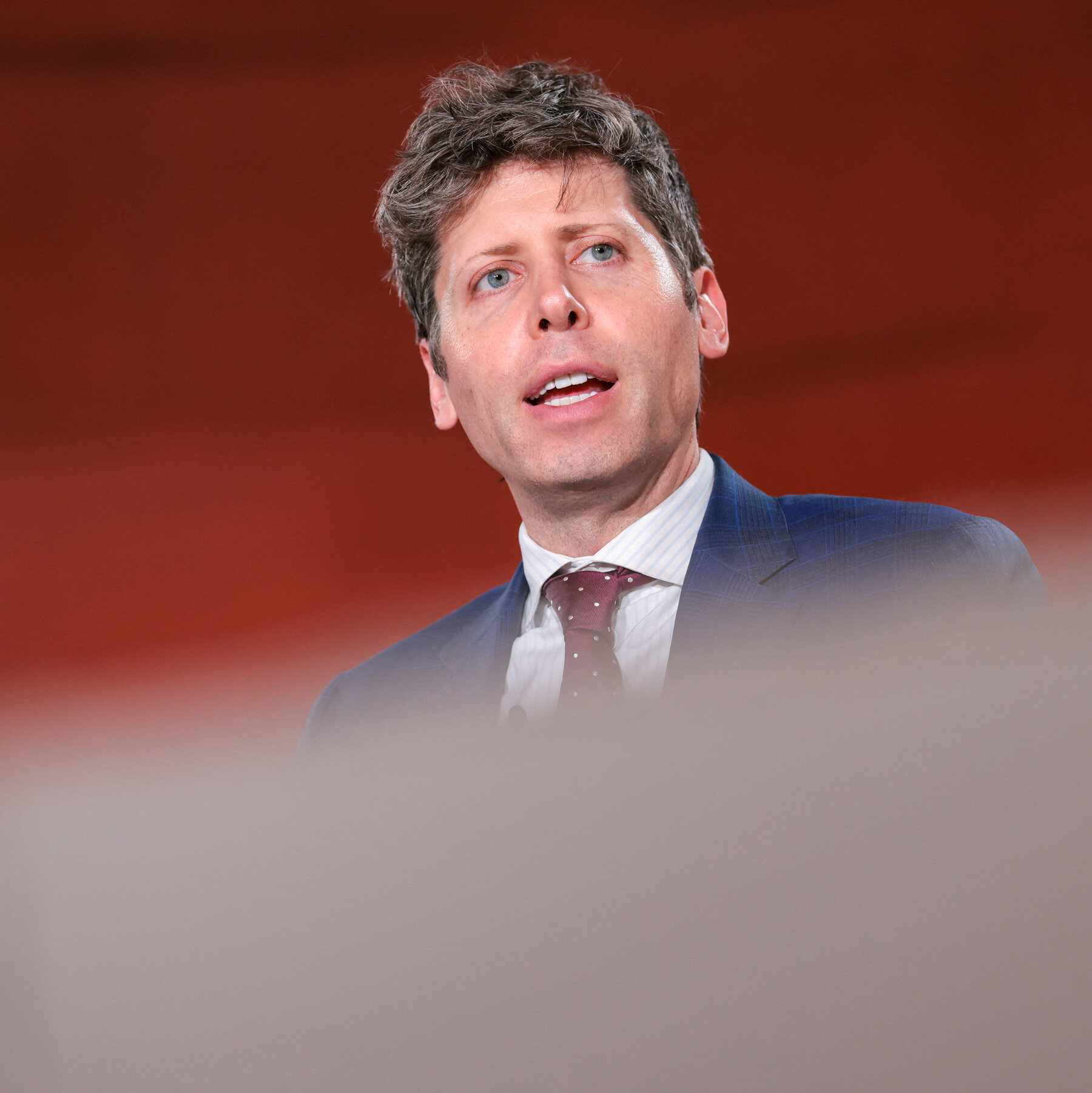
Image credit: Imagem: NYT Technology
OpenAI's Trajectory of Exponential Growth
OpenAI, the organization behind groundbreaking technologies like ChatGPT and DALL-E, continues to attract massive investments, reaffirming its position as a dominant force in the field of artificial intelligence. Recent reports indicate that the company has added another $12 billion to its current funding round, bringing the total raised to $122 billion and achieving a market valuation of $730 billion.
This influx of capital underscores investors' confidence in OpenAI's potential to reshape industries and daily life. The company has been a pioneer in popularizing generative AI, transforming how we interact with technology and driving a global race for AI innovation.
Funding Details and Market Implications
The additional $12 billion not only elevates the total funding round to an unprecedented $122 billion but also propels OpenAI's valuation to $730 billion. This figure places it among the world's most valuable tech companies, reflecting optimism surrounding its future innovations and its ability to monetize advanced research.
Companies like Microsoft have been key investors, demonstrating a strategic bet on OpenAI's ecosystem. Microsoft's initial investment and subsequent partnership are crucial for the development and deployment of large-scale AI models, as detailed in their partnership reports.
The funds are expected to be directed towards research and development, expansion of computing infrastructure, and attracting top AI talent. Competition for AI resources and experts is intense, and this capital allows OpenAI to maintain its competitive edge.
The Impact on the AI Industry and Beyond
OpenAI's continuous and massive capitalization has profound implications for the entire artificial intelligence sector. It not only validates the company's business model and long-term vision but also sets a new benchmark for AI startup valuations. This scenario could intensify the race for investments in other AI companies while simultaneously increasing pressure on them to deliver comparable results.
AI models like GPT-4, which demonstrate advanced capabilities in natural language understanding and text generation, are the company's flagship. To better understand how these technologies are being applied in corporate environments, explore our section on enterprise AI [blocked].
OpenAI's success also raises important questions about the concentration of power and resources in AI development. As the technology advances, the discussion around ethics, regulation, and equitable access to AI becomes increasingly relevant, involving governments and global organizations like the World Economic Forum.
Why It Matters
OpenAI's colossal funding isn't just a financial headline; it symbolizes the global bet on artificial intelligence as the next technological frontier. This capital will enable OpenAI to accelerate cutting-edge AI research, potentially leading to breakthroughs that will transform entire industries, from healthcare to education, and solidify its leadership in a field defining the future of innovation. The ability to attract and retain top-tier talent and invest heavily in infrastructure is paramount to maintaining this vanguard. It's a clear indicator that AI is no longer a promise but a reality with immense potential for valuation and impact.
This article was inspired by content originally published on NYT Technology by Cade Metz. AI Pulse rewrites and expands AI news with additional analysis and context.
AI Pulse Editorial
Editorial team specialized in artificial intelligence and technology. AI Pulse is a publication dedicated to covering the latest news, trends, and analysis from the world of AI.



Comments (0)
Log in to comment
Log in to commentNo comments yet. Be the first to share your thoughts!