Prompt Engineering in 2026: The Future of AI Interaction
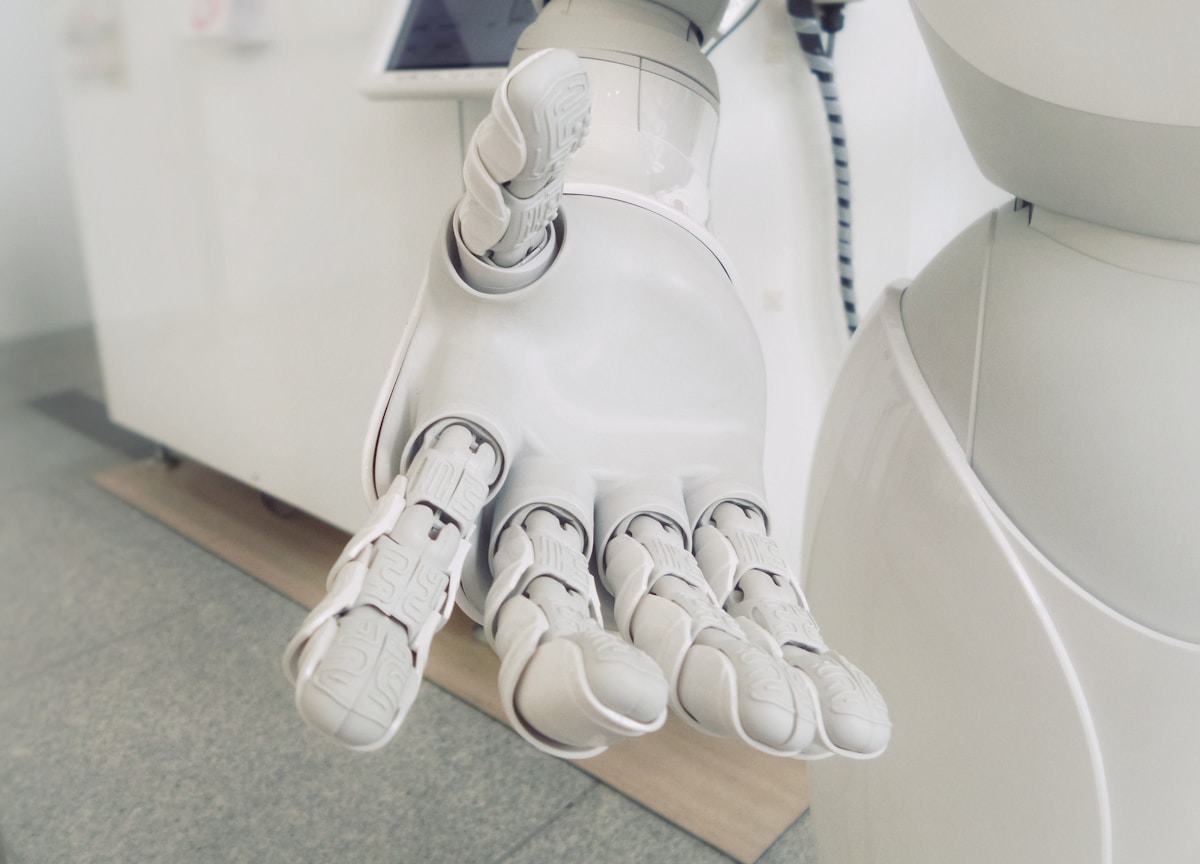
Image credit: Image: Unsplash
Prompt Engineering in 2026: The Future of AI Interaction
As of January 2026, prompt engineering has transitioned from a niche curiosity to a critical skill. With language models becoming increasingly sophisticated and multimodal, the art of crafting effective prompts is at the heart of AI innovation. It's no longer just about getting answers, but about orchestrating artificial intelligence for complex tasks, from content creation to scientific problem-solving.
The Rise of Adaptive and Contextual Prompts
The future of prompt engineering lies in its adaptability. In 2026, we anticipate prompts that are not static but evolve based on user feedback and interaction context. Tools like Google Gemini and OpenAI GPT-5 are already integrating systems that learn user preferences and dynamically adjust responses. This means less trial and error and more fluid, productive conversations. The ability to maintain long-term context and reference past interactions will be crucial for enterprise and creative applications.
Multimodal Prompts and Augmented Reality
Prompt engineering will no longer be confined to text. The integration of visual, audio, and even haptic prompts will become the norm. Imagine describing a product design in text, but also providing a sketch, an audio clip of the desired texture, and even a 3D model. Companies like Meta and Apple, with their advancements in augmented and virtual reality, will drive the need for prompts that can interact with digital and physical environments cohesively. The ability to
AI Pulse Editorial
Editorial team specialized in artificial intelligence and technology. AI Pulse is a publication dedicated to covering the latest news, trends, and analysis from the world of AI.


Comments (0)
Log in to comment
Log in to commentNo comments yet. Be the first to share your thoughts!