Tesla FSD: One-Time Purchase Ends, Ushering in New Era for Autonomous Driving
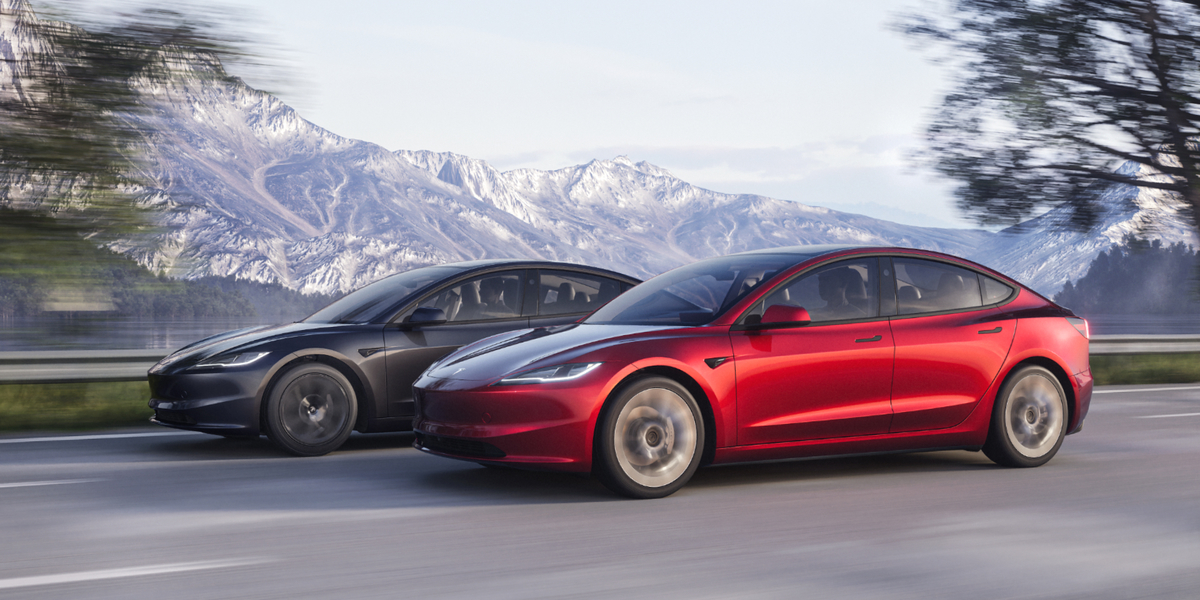
Image credit: Imagem: Sapo Tek
Tesla Shifts Full Self-Driving to Subscription-Only Model
Tesla is redefining access to its acclaimed Full Self-Driving (FSD) system, transitioning to an exclusive subscription model starting February 15th. This strategic decision eliminates the one-time purchase option, which previously cost around $8,000, signaling a fundamental shift in how Elon Musk's company commercializes its advanced autonomous driving capabilities. The change, initially focused on the North American market, raises questions about its eventual implementation in other regions, including Europe.
This move to a purely subscription-based model reflects a growing trend across the tech industry, where software and services are increasingly offered as a recurring expense. For Tesla, this could mean a more stable and predictable revenue stream, as well as greater flexibility to introduce continuous updates and improvements to the FSD software. The company's commitment to advancing its AI capabilities is evident in its continuous software iterations, as highlighted in various Tesla investor relations updates.
Implications of the New Monetization Strategy
Tesla's decision to discontinue the one-time FSD purchase has several implications for consumers and the electric vehicle market. For new Tesla owners, the barrier to entry for experiencing FSD might be lowered, as they won't have to pay a large sum upfront. Instead, they can opt for a monthly subscription, making the technology more accessible in the short term. However, over the long term, the total cost of using FSD could exceed the previous one-time purchase price, depending on how long the owner maintains the subscription.
This change may also influence the resale value of Tesla vehicles. Previously, a car with a lifetime FSD purchase had clear added value. With the subscription model, FSD becomes a feature that can be activated or deactivated by a new owner, potentially impacting the perceived value of the used vehicle. Tesla has heavily invested in FSD development, aiming to transform its vehicles into robotaxis, as detailed on its official FSD pages. This ongoing investment justifies the pursuit of sustainable revenue models.
The Future of Autonomous Driving and AI Adoption
Tesla's transition to an exclusive subscription model for FSD underscores the increasing importance of software and artificial intelligence in the automotive sector. FSD, while still in beta and requiring human supervision, represents one of the most ambitious efforts to achieve Level 2+ or Level 3 autonomy, depending on interpretation and future capabilities. The complexity of developing autonomous driving systems, which involve advanced neural networks, computer vision, and real-time decision-making, necessitates a business model that can fund this continuous innovation.
This move by Tesla could also be a precursor for other automakers developing their own driver-assistance and autonomous driving technologies. Monetizing software-based features through subscriptions is becoming a norm, from connectivity services to performance upgrades. For a broader look at how AI is transforming various sectors, you can explore our AI tools [blocked] section.
Why It Matters
Tesla's decision to make Full Self-Driving an exclusive subscription service is a landmark moment in the automotive industry and the monetization of AI software. It reflects the growing valuation of software over hardware, driving a recurring revenue model that can accelerate the development of autonomous technologies. This shift redefines vehicle ownership and access to advanced features, with significant implications for consumer costs and car resale values.
This article was inspired by content originally published on Sapo Tek. AI Pulse rewrites and expands AI news with additional analysis and context.
AI Pulse Editorial
Editorial team specialized in artificial intelligence and technology. AI Pulse is a publication dedicated to covering the latest news, trends, and analysis from the world of AI.
Comments (0)
Log in to comment
Log in to commentNo comments yet. Be the first to share your thoughts!