Tesla FSD Shifts to Subscription-Only Model
Image credit: Photo by ThisisEngineering on Unsplash
Tesla FSD: From One-Time Purchase to Subscription-Only Service
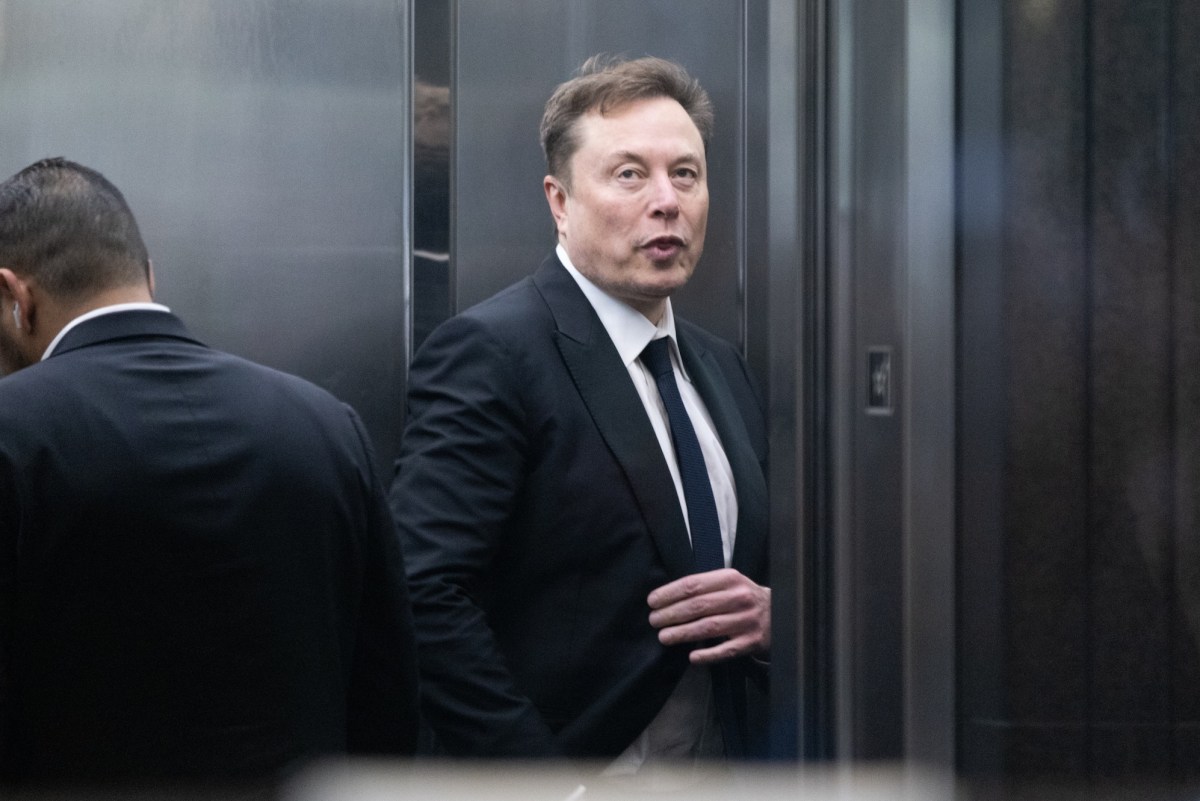
Elon Musk, CEO of Tesla, has announced a significant shift in the commercial strategy for its Full Self-Driving (FSD) system. Effective February 14, the one-time purchase option for FSD, which previously cost $8,000, will be discontinued. The service will henceforth be available exclusively through a monthly subscription model.
This decision, communicated via the X platform, marks an evolution in how Tesla intends for its customers to access and utilize advanced driver-assistance capabilities. While the exact pricing for the new subscription was not detailed at the time of the announcement, FSD was already offered at $99 per month or $999 per year, suggesting that new rates might align with or adjust from these benchmarks.
Context and Implications of the Change
The transition to an exclusive subscription model for FSD can be viewed from several perspectives. For consumers, this change offers considerable flexibility. Tesla vehicle owners who plan to sell or trade in their cars in the near future may benefit by not investing a large sum in a feature that would not transfer to the next owner.
Furthermore, a subscription allows interested parties to experience the technology without a long-term financial commitment, mitigating the risk associated with ongoing software evolution and regulatory changes. This approach could democratize access to FSD, making it more appealing to a broader audience who might hesitate to pay thousands of dollars upfront. Tesla has been continuously refining FSD, with regular updates aimed at improving its autonomous driving capabilities in various conditions, as detailed in Tesla's official software updates.
Analysis and Future Outlook
From Tesla's perspective, the shift to a subscription model could generate a more stable and predictable revenue stream. Instead of sporadic, one-time sales, the company can rely on recurring revenue, which is financially advantageous. This model also aligns with a growing trend in the tech industry to monetize software and services through subscriptions, a common strategy across many AI tools [blocked] and digital services.
However, the decision raises questions about the perceived value of FSD. Some critics argue that the feature does not yet justify its cost, whether purchased or subscribed, due to its limitations and the need for constant human supervision. The promise of fully autonomous driving, while advanced, is still under development, and Tesla continues to collect data and refine its algorithms. The complexities of developing autonomous driving systems are a continuous research topic, with institutions like Stanford University exploring AI in autonomous vehicles.
Why It Matters
This change in Tesla's FSD pricing strategy is a significant indicator of the maturity and future direction of autonomous driving technology. By making FSD a subscription service, Tesla not only adjusts its business model for greater revenue predictability but also redefines how consumers interact with advanced vehicle features. This could influence mass adoption and public perception of the viability and value of artificial intelligence in the automotive sector, impacting the broader enterprise AI [blocked] market.
This article was inspired by content originally published on Engadget by Steve Dent. AI Pulse rewrites and expands AI news with additional analysis and context.
AI Pulse Editorial
Editorial team specialized in artificial intelligence and technology. AI Pulse is a publication dedicated to covering the latest news, trends, and analysis from the world of AI.

Comments (0)
Log in to comment
Log in to commentNo comments yet. Be the first to share your thoughts!