Ukraine: Fishing Rods Against Drones, 'Low-Tech' Innovation on the Battlefield
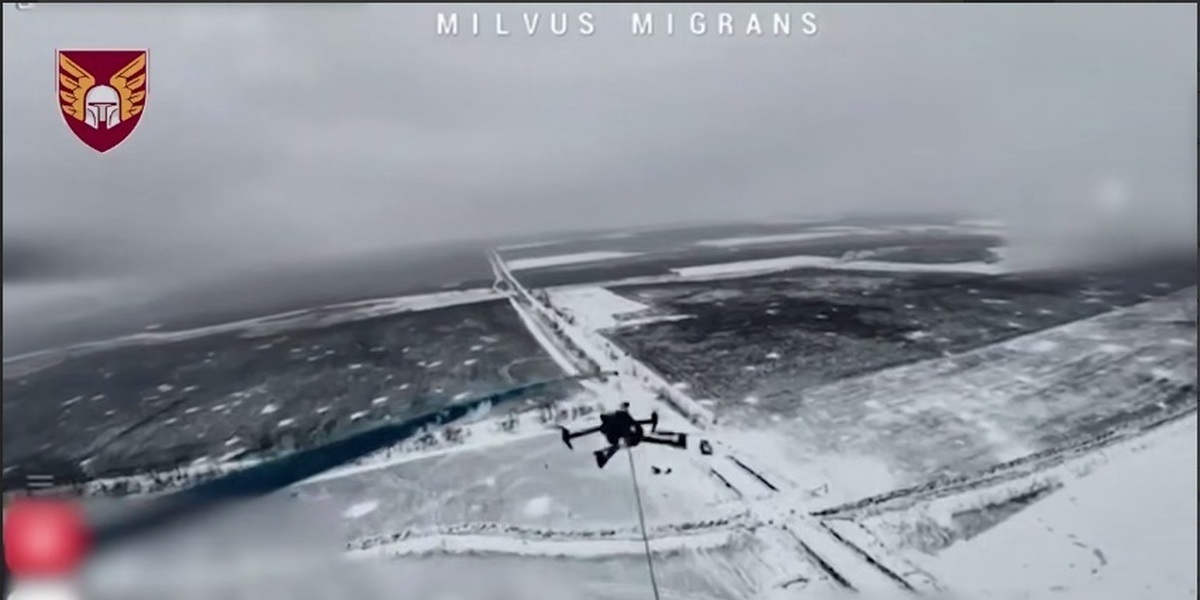
Image credit: Imagem: Sapo Tek
In the complex theater of operations in Ukraine, where artificial intelligence and aerial surveillance dominate, an unexpected approach is gaining traction. The Ukrainian 46th Airmobile Brigade has implemented an ingenious, low-cost tactic to neutralize enemy drones: using modified fishing rods to bring them down from the sky.
The Rise of Drones in Modern Conflict
Since the conflict began, drones have become indispensable tools for both sides. Used for reconnaissance, surveillance, artillery targeting, and even direct attacks, these unmanned aerial vehicles have transformed warfare tactics. The proliferation of commercial drones adapted for military purposes, such as popular DJI models, underscores the democratization of surveillance and attack technology. This reality has driven the search for effective countermeasures, from advanced electronic warfare systems to more rudimentary, yet equally effective, solutions.
Ukrainian Ingenuity: The Fishing Rod Tactic
Amidst technological sophistication, the Ukrainian 46th Brigade stands out for its creativity. The idea is simple yet effective: fishing rods equipped with nets are used to entangle the rotors of drones flying at low altitudes. This tactic, which may seem rudimentary, has proven surprisingly successful against smaller reconnaissance and attack drones, which often operate at accessible altitudes to avoid detection by longer-range radar. It is a testament to the ability to adapt and innovate under extreme conditions.
Implications and the Future of Drone Countermeasures
The effectiveness of this 'low-tech' approach highlights a crucial aspect of modern warfare: the importance of adaptable and cost-effective solutions. While advanced anti-drone systems, such as jammers or laser defenses, are highly effective, their deployment can be expensive and complex. The fishing rod method offers a simple, readily available, and inexpensive alternative, particularly useful for front-line units facing a constant barrage of smaller, off-the-shelf drones. This tactic also minimizes collateral damage compared to kinetic interception methods.
This ingenuity is not isolated. Across various fronts, military units are constantly developing novel ways to counter drone threats, from employing trained eagles to using sophisticated AI-powered detection systems. The conflict in Ukraine has become a proving ground for both cutting-edge AI applications in defense and inventive, grassroots solutions. For more on how AI is shaping military strategies, explore our articles on inteligência artificial empresarial [blocked].
Why It Matters
This innovative tactic underscores the critical role of human ingenuity in modern warfare, even amidst advanced technology. It demonstrates that effective solutions don't always require high-tech sophistication, offering valuable lessons for military strategists globally on adapting to evolving threats with practical, accessible methods. The ability to quickly deploy and adapt low-cost countermeasures against ubiquitous drone threats can significantly impact battlefield dynamics and resource allocation.
The Broader Context of Drone Warfare
The use of drones in conflicts is rapidly evolving, pushing the boundaries of military strategy. From sophisticated military-grade drones like the MQ-9 Reaper to commercial quadcopters, their impact is undeniable. The development of anti-drone technology is a global priority, with companies like Dedrone offering comprehensive counter-drone solutions. This constant innovation is a testament to the dynamic nature of warfare, where every advantage, no matter how small or unconventional, can make a difference. The Ukrainian example serves as a powerful reminder that sometimes, the simplest tools can be the most effective when wielded with creativity and determination. For a deeper dive into the latest AI tools in defense, you might want to compare AI tools [blocked].
This conflict also highlights the dual-use nature of many technologies. Drones initially designed for photography or delivery are now repurposed for military intelligence and attack, prompting ethical debates and regulatory challenges worldwide. The continuous cat-and-mouse game between drone developers and counter-drone innovators will undoubtedly shape future military doctrines and technological advancements for years to come. The lessons learned here extend beyond the battlefield, influencing how governments and organizations approach security in an increasingly drone-filled world.
This article was inspired by content originally published on Sapo Tek. AI Pulse rewrites and expands AI news with additional analysis and context.
AI Pulse Editorial
Editorial team specialized in artificial intelligence and technology. AI Pulse is a publication dedicated to covering the latest news, trends, and analysis from the world of AI.



Comments (0)
Log in to comment
Log in to commentNo comments yet. Be the first to share your thoughts!